Dalian Eastern Display Co., Ltd.
Dalian Eastern Display Co., Ltd.

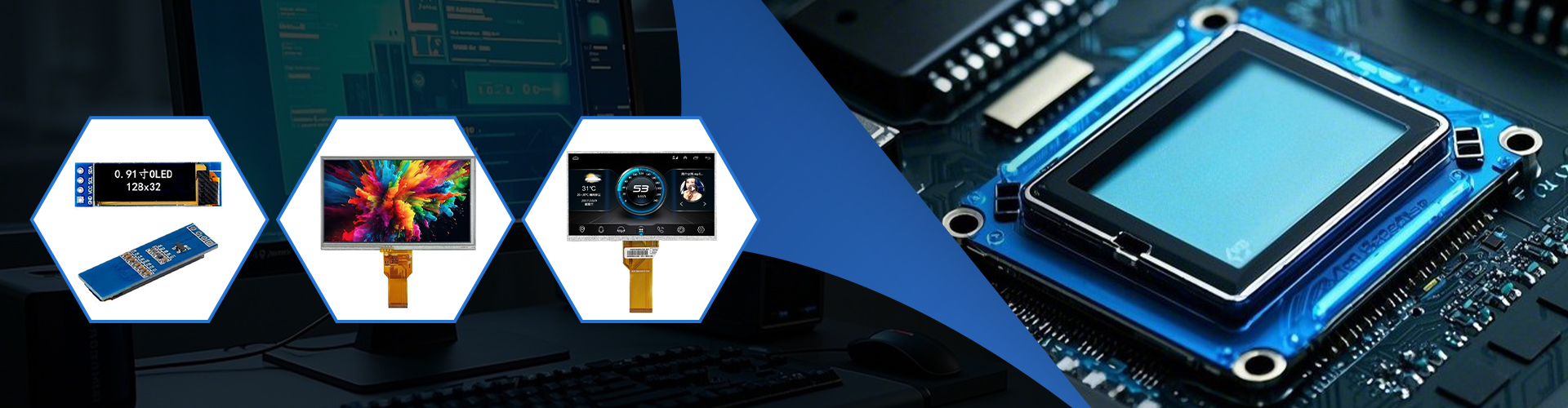
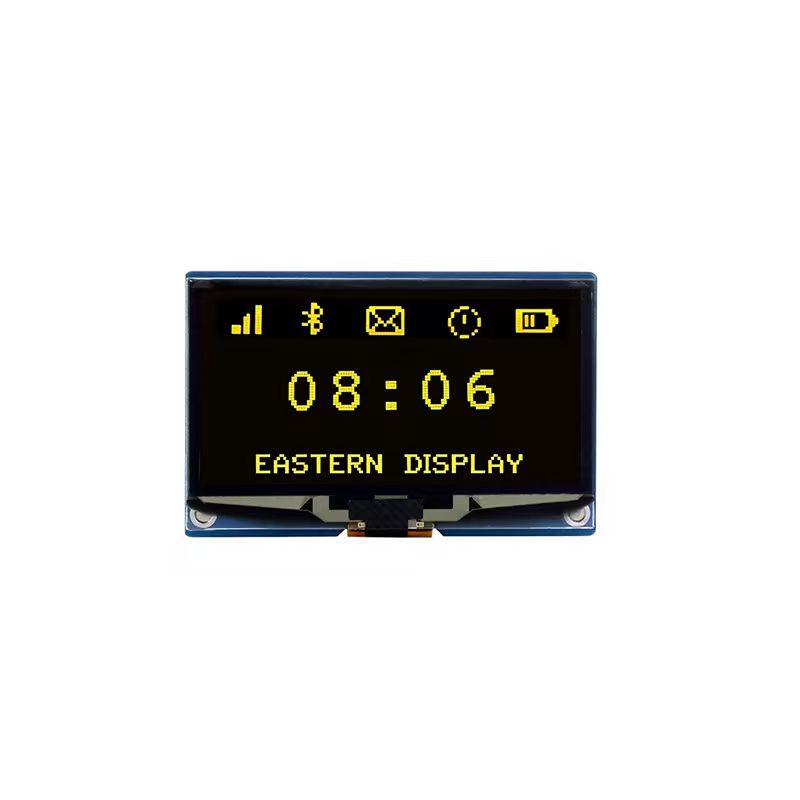
The market for small-scale OLED displays is booming, with 0.91-inch OLED screens finding applications in diverse sectors. These displays offer superior image quality compared to their LCD counterparts, boasting deeper blacks, higher contrast ratios, and wider viewing angles. But what exactly makes a 0.91-inch OLED display stand out, and what are the key considerations when selecting one for your project?
0.91-inch OLED displays are characterized by several key features that contribute to their high performance. These include:
The resolution of a 0.91-inch OLED display significantly impacts image clarity. Higher resolutions result in sharper images and more detail. Pixel density, measured in pixels per inch (PPI), also plays a crucial role in determining the overall visual quality. You'll find variations in resolution and PPI across different 0.91-inch OLED models, so careful consideration is essential based on your specific application requirements. For example, a display intended for a high-precision instrument might demand a significantly higher PPI than one used in a simple indicator.
OLED technology excels in producing deep blacks and high contrast ratios, resulting in vibrant and lifelike images. The brightness of a 0.91-inch OLED display is measured in nits (cd/m2). Higher brightness levels improve visibility in various lighting conditions. However, excessive brightness can impact power consumption.
OLED displays generally offer wider viewing angles than LCDs, meaning the image quality remains consistent even when viewed from off-center positions. This is especially important for applications where the display might be viewed from multiple angles.
The color gamut refers to the range of colors a display can reproduce. A wider color gamut translates to more vibrant and accurate color representation. 0.91-inch OLED displays often boast a wide color gamut, enhancing the visual appeal of the displayed content.
The compact size and superior image quality of 0.91-inch OLED displays make them suitable for a broad range of applications, including:
Selecting the appropriate 0.91-inch OLED display involves carefully evaluating several factors. Consider the required resolution, brightness, contrast ratio, viewing angle, and power consumption. Furthermore, the physical dimensions and interface type (e.g., SPI, I2C) must be compatible with your application.
Different manufacturers offer various 0.91-inch OLED display models with varying specifications. The table below provides a comparison of some key features (Note: Data may vary depending on the specific model and manufacturer. Always refer to the manufacturer's specifications for accurate information.):
| Feature | Model A | Model B | Model C |
|---|---|---|---|
| Resolution | 128x128 | 96x96 | 64x64 |
| Brightness (nits) | 300 | 250 | 200 |
| Contrast Ratio | 1000:1 | 800:1 | 500:1 |
For a wide selection of high-quality displays, consider exploring the options available at Dalian Eastern Display Co., Ltd. They offer a diverse range of displays, including various sizes and resolutions to meet diverse project needs.
Remember to always consult the official datasheets and documentation from the manufacturers for the most up-to-date and accurate specifications before making a purchasing decision.