Dalian Eastern Display Co., Ltd.
Dalian Eastern Display Co., Ltd.

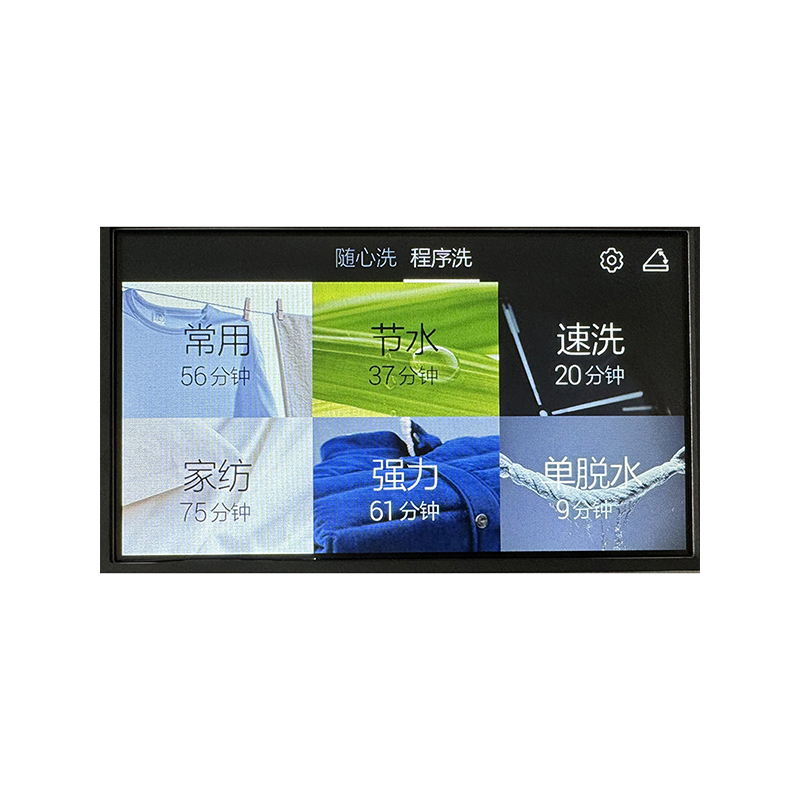
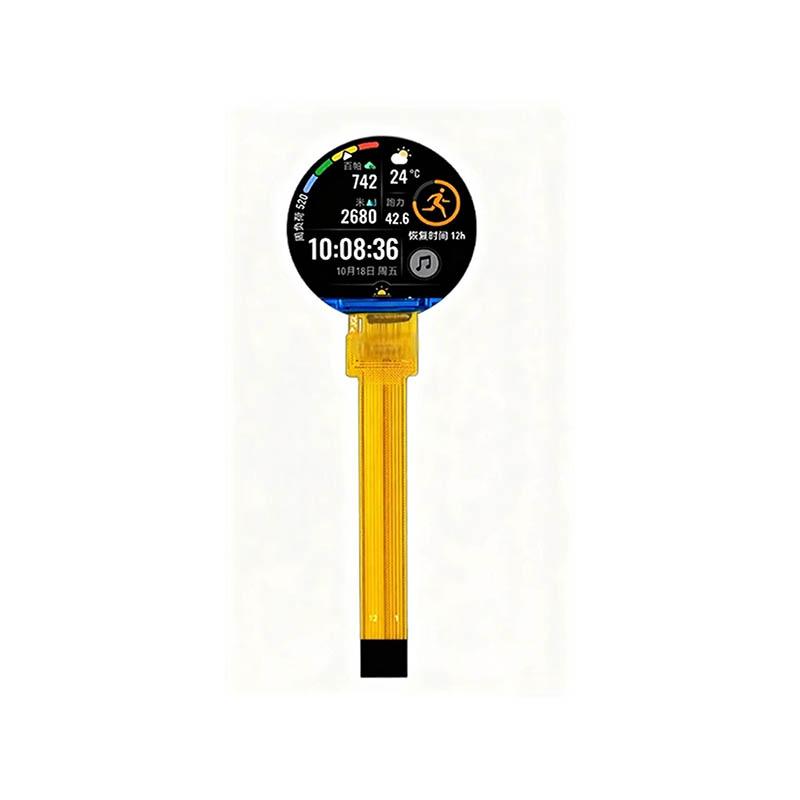
This guide provides an in-depth look at 2.4 TFT displays, covering their specifications, applications, selection criteria, and considerations for integration. We'll explore different types, features, and factors to consider when choosing the right display for your project. Learn about resolution options, viewing angles, and backlight technologies to help you make an informed decision.
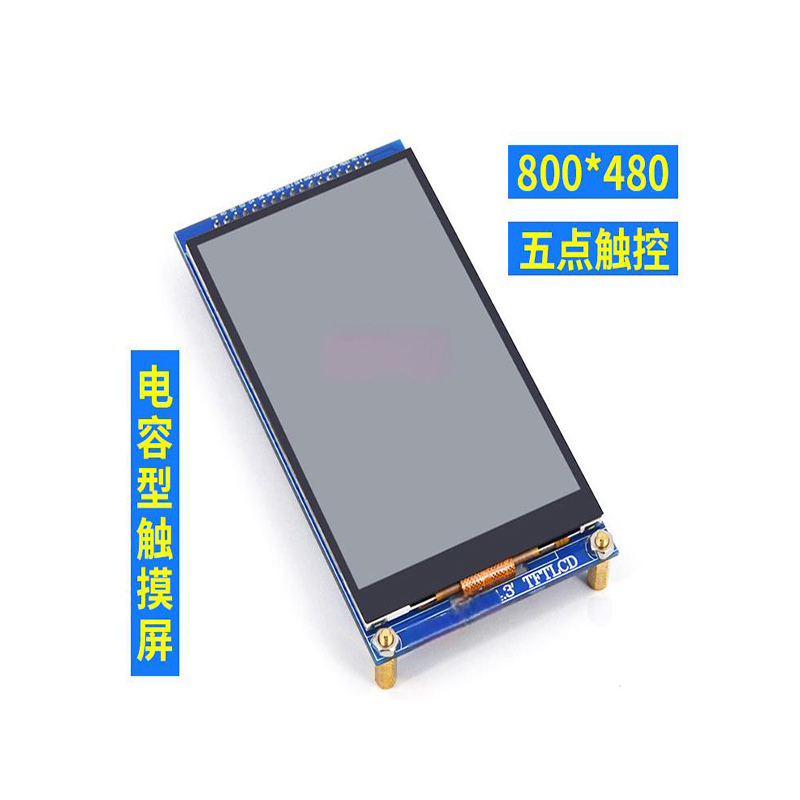
A 2.4 TFT display, or Thin-Film Transistor display, is a type of liquid crystal display (LCD) that uses TFTs to individually control each pixel. This allows for sharper images and faster response times compared to older passive-matrix LCD technologies. The 2.4-inch size makes it ideal for a range of applications where a compact display is required. Factors like resolution (e.g., 240x320 pixels or higher), color depth, and brightness significantly impact the overall quality and suitability for specific projects.
When selecting a 2.4 TFT display, several key specifications need consideration. These include:
2.4 TFT displays find applications in a wide range of industries and products including:
Selecting the optimal 2.4 TFT display requires careful consideration of your specific needs. Key factors include:
| Manufacturer | Model | Resolution | Brightness (cd/m2) | Interface |
|---|---|---|---|---|
| Example Manufacturer A | Example Model 1 | 240x320 | 300 | SPI |
| Example Manufacturer B | Example Model 2 | 320x240 | 250 | Parallel |
Note: This table provides example data. Consult individual manufacturer specifications for accurate information.
For a wide selection of high-quality 2.4 TFT displays and other display solutions, consider exploring the offerings at Dalian Eastern Display Co., Ltd. They offer a diverse range of display options to suit various applications and project needs.
Remember to always consult the datasheets provided by the manufacturers for the most up-to-date and accurate specifications for any particular 2.4 TFT display.