Dalian Eastern Display Co., Ltd.
Dalian Eastern Display Co., Ltd.

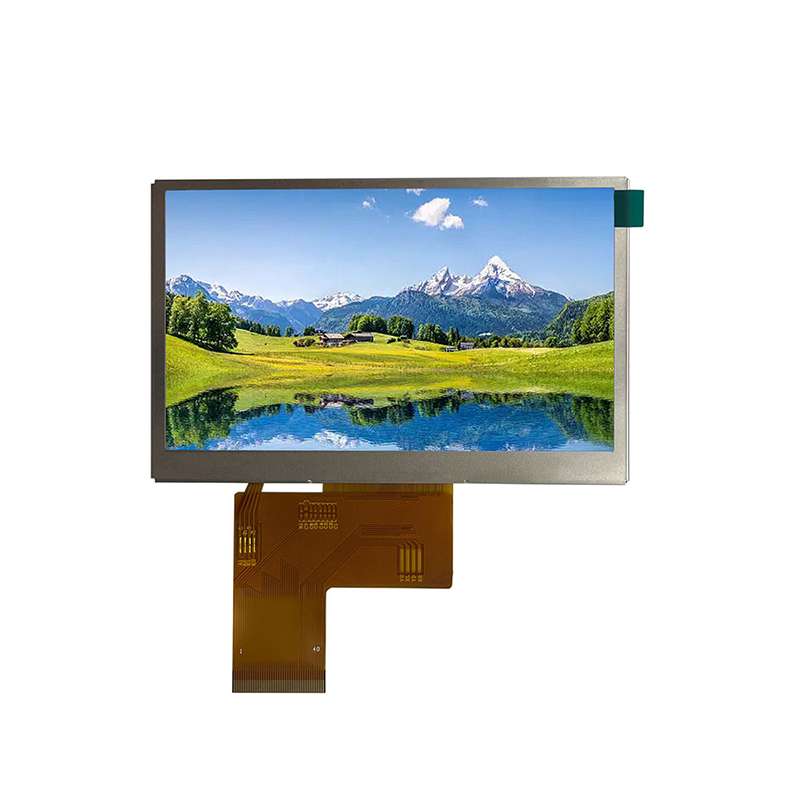
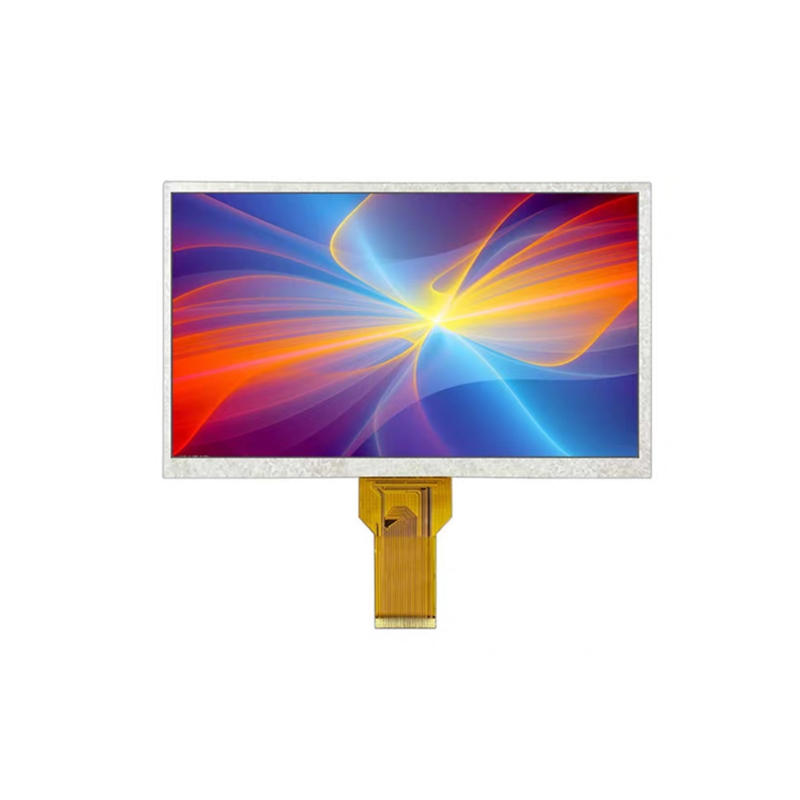
Choosing the right color TFT screen can be overwhelming with the sheer variety available. This guide breaks down the key features to consider, helping you navigate the market and select the ideal Best color TFT screen product for your specific application. We'll cover different screen technologies, resolutions, and vital specifications to ensure you make an informed decision. Whether you need a vibrant display for a consumer electronics project or a high-performance screen for industrial applications, this guide provides the information you need.
Thin-film transistor (TFT) displays are the dominant technology in many LCD screens, providing high-quality images with improved contrast and sharpness compared to earlier technologies. Understanding the nuances of TFT technology will greatly aid your selection of the Best color TFT screen product. Key aspects to consider include:
Resolution, measured in pixels (e.g., 1920x1080), directly impacts image clarity. Higher resolutions deliver crisper images and more detail. Pixel density (pixels per inch or PPI) determines the sharpness of individual pixels. A higher PPI results in a smoother, more refined image. Consider the viewing distance and the level of detail required for your application when choosing the optimal resolution for your Best color TFT screen product.
Color accuracy is crucial for applications requiring true-to-life color reproduction, such as photo editing or professional video work. The color gamut represents the range of colors a screen can display. A wider gamut (like Adobe RGB or DCI-P3) produces more vibrant and accurate colors. For many applications, sRGB is sufficient. Examine the color gamut and color accuracy specifications when choosing your Best color TFT screen product.
Response time measures how quickly a pixel changes color, critical for applications requiring fast-moving images, like gaming or video editing. Lower response times minimize motion blur and ghosting. For general use, a response time of 5ms or lower is generally considered acceptable; however, faster response times (1ms or less) are beneficial for demanding applications.
Brightness (measured in nits or cd/m2) determines how bright the screen appears. Higher brightness is better for outdoor use or bright environments. Contrast ratio defines the difference between the brightest and darkest colors. A higher contrast ratio results in deeper blacks and richer colors. These factors significantly impact the overall visual experience provided by your Best color TFT screen product.
Several types of TFT screens exist, each with its strengths and weaknesses. Choosing the correct type directly impacts the performance and suitability of your Best color TFT screen product:
IPS panels offer excellent color accuracy, wide viewing angles, and consistent color reproduction across the screen. They are frequently used in high-end monitors and professional displays. However, they typically have slower response times compared to other technologies.
TN panels are generally cheaper and faster than IPS panels. However, they often suffer from poor viewing angles and less vibrant colors. They are suitable for applications where cost is a primary concern and color accuracy is less critical.
VA panels offer a compromise between IPS and TN, boasting better contrast ratios than IPS while maintaining acceptable viewing angles and response times. They often deliver deep blacks, making them ideal for media consumption.
The best Best color TFT screen product for you depends entirely on your specific needs and application. Consider these factors:
For more information on high-quality TFT screens and to explore a wide range of options, consider visiting Dalian Eastern Display Co., Ltd.. They offer a diverse selection of Best color TFT screen products tailored to various applications.
Selecting the perfect Best color TFT screen product requires careful consideration of various factors, including resolution, color accuracy, response time, and the type of TFT technology employed. This guide provides a solid foundation for making an informed decision. Remember to prioritize the features most important for your specific application and budget.