Dalian Eastern Display Co., Ltd.
Dalian Eastern Display Co., Ltd.

This comprehensive guide explores the KM529 LCD, delving into its specifications, applications, and considerations for selection. We'll cover key features, potential challenges, and provide insights to help you make an informed decision. Learn about compatibility, performance, and finding reliable suppliers.
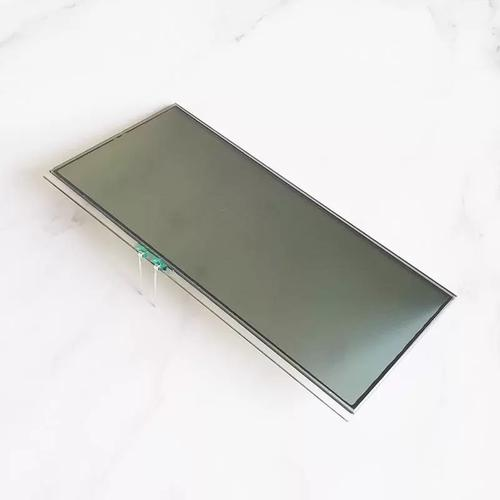
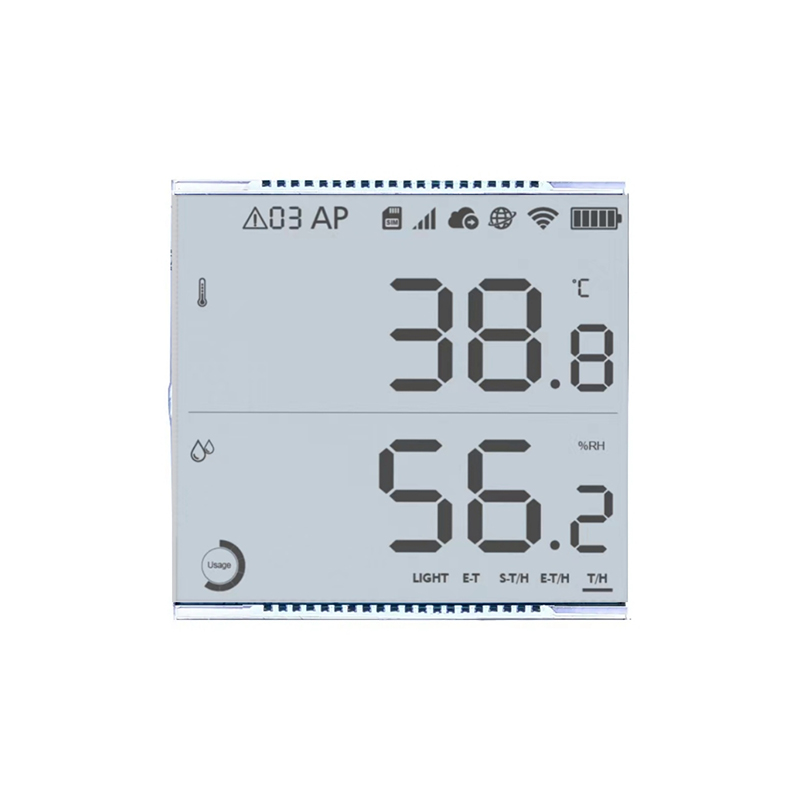
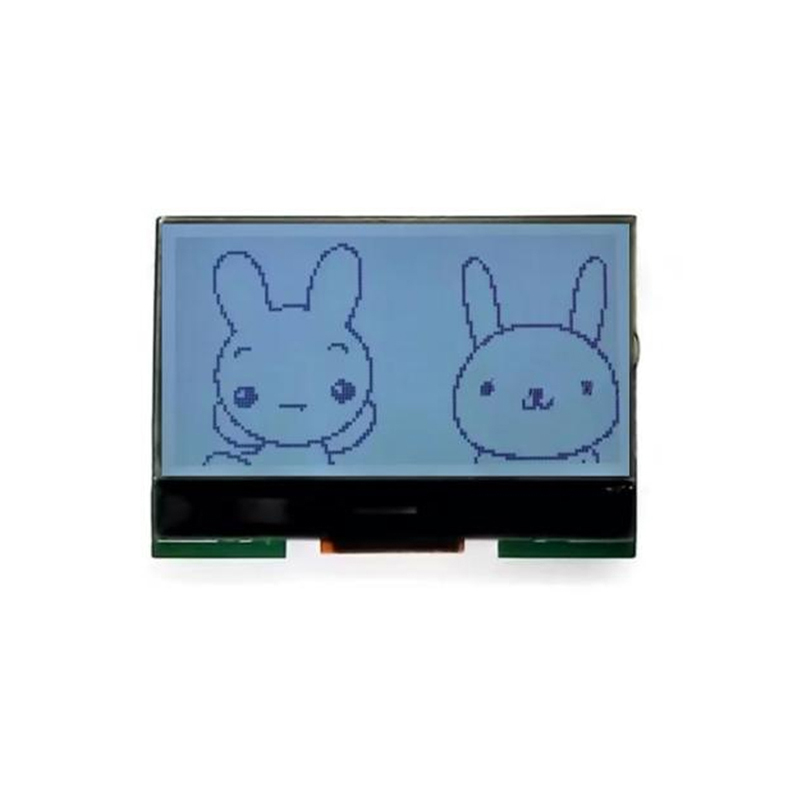
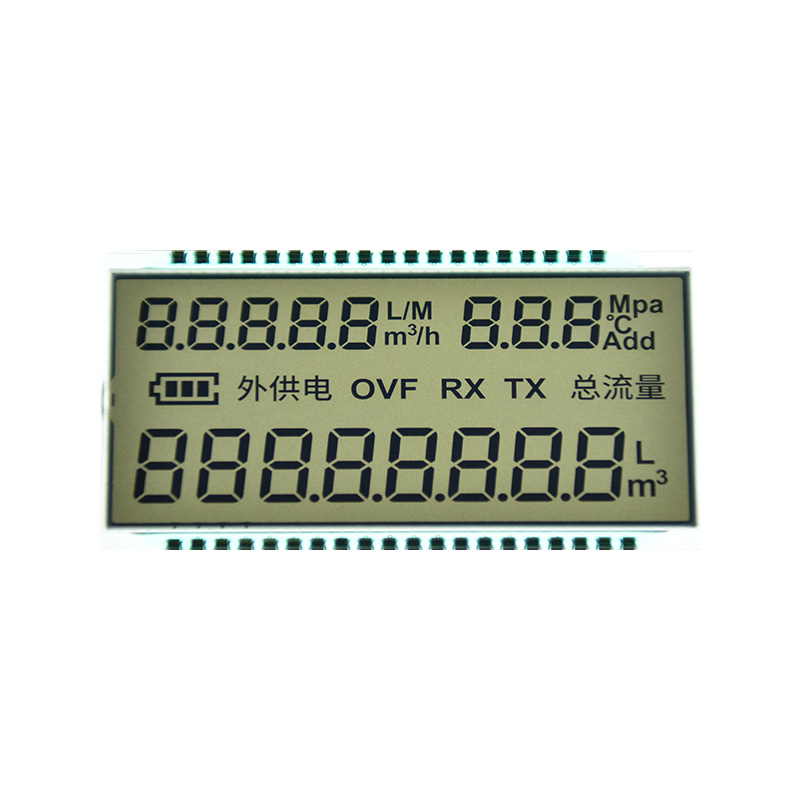
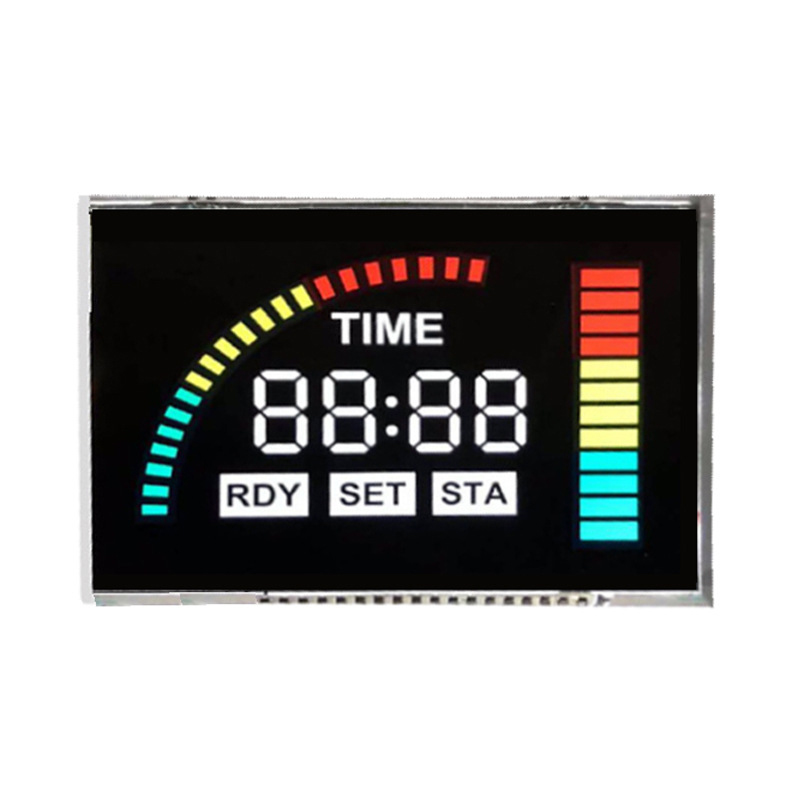
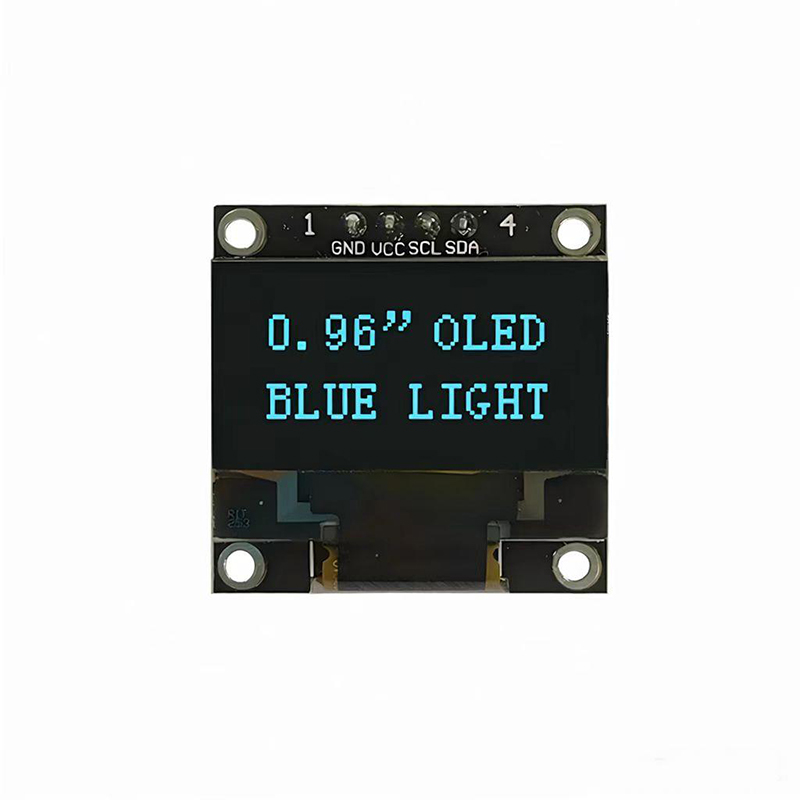
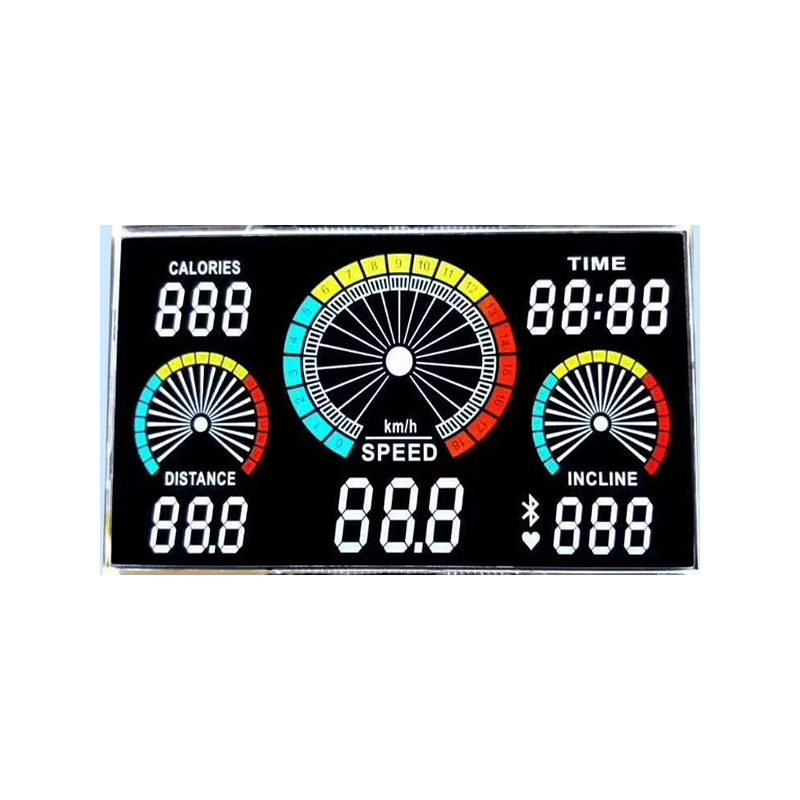
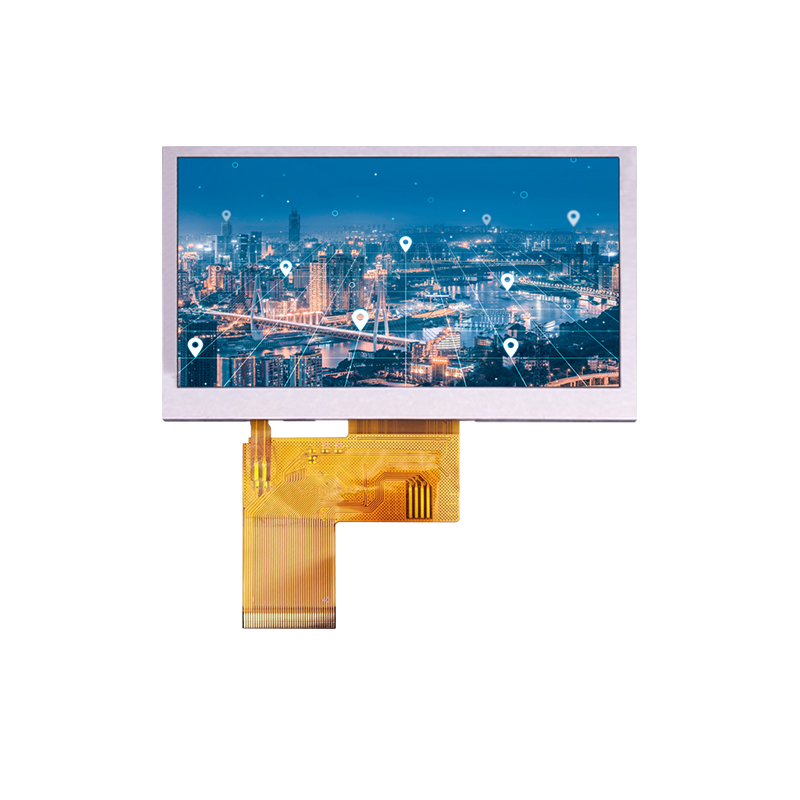
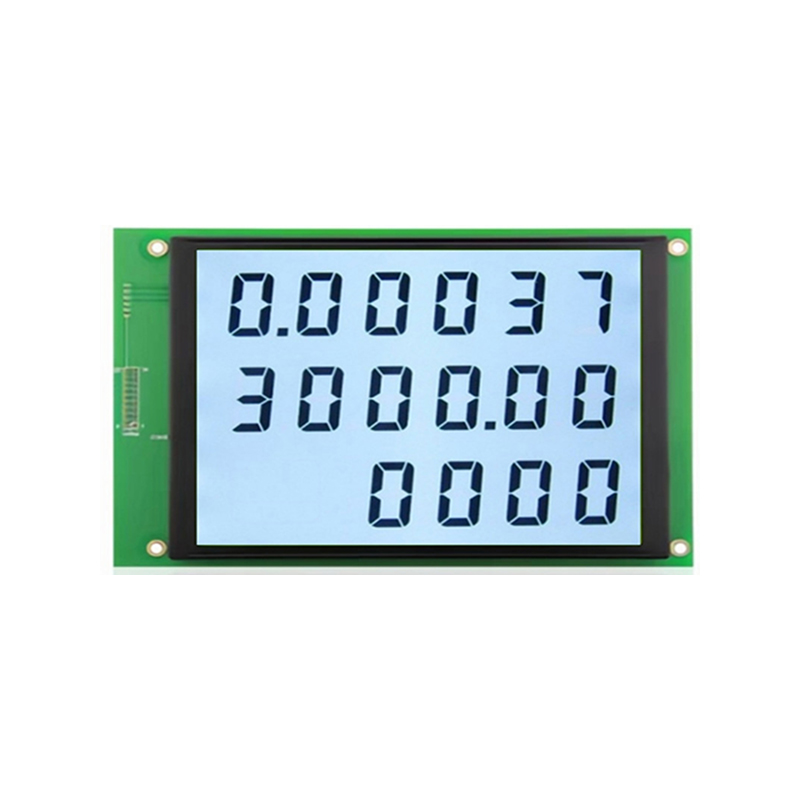
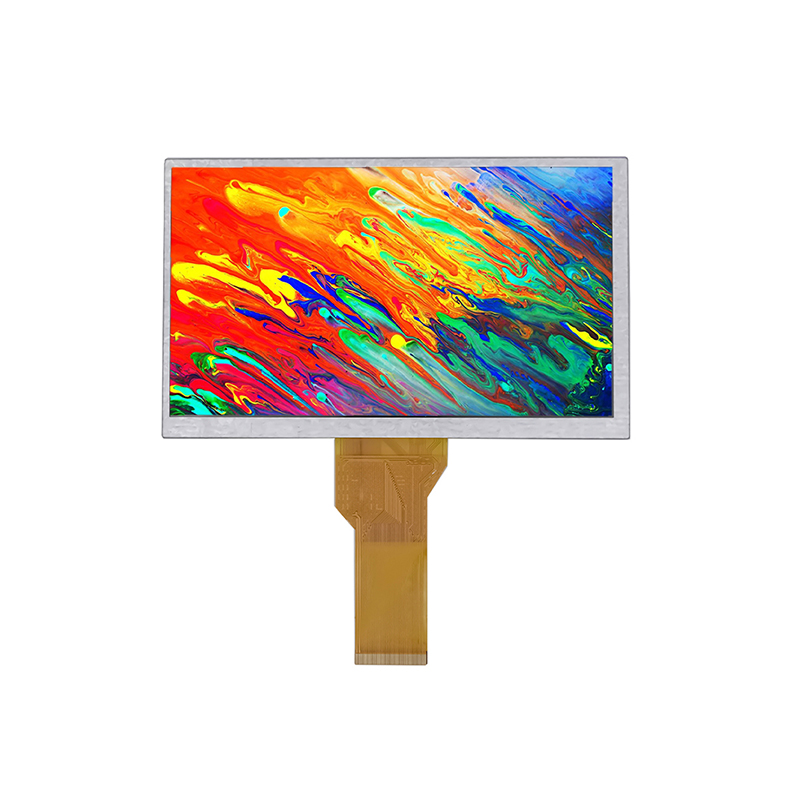
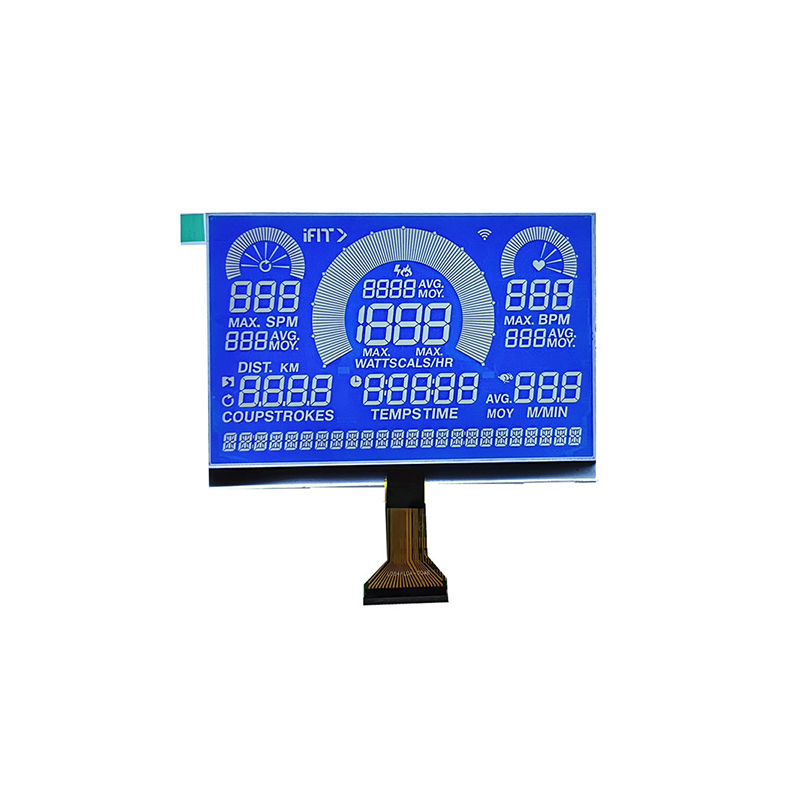
The KM529 LCD refers to a specific type of liquid crystal display (LCD) panel. While the KM529 part likely designates a model number or internal code from a manufacturer, the core functionality remains centered around LCD technology. These panels are known for their ability to display images and text by manipulating the polarization of light passing through liquid crystals. The exact specifications, such as size, resolution, and backlight type, vary depending on the manufacturer and specific model. Understanding these details is crucial when selecting the right KM529 LCD for your project.
The features and specifications of a KM529 LCD can vary widely. To provide a clear understanding, let's examine common attributes:
Resolution determines the clarity of the displayed image, expressed in pixels (e.g., 1920x1080). Size, measured diagonally in inches, impacts the viewing area and physical dimensions of the display. The ideal resolution and size will depend on your application. Some KM529 LCD panels might be designed for smaller, embedded systems, while others might target larger screens for industrial applications. Always check the manufacturer's specifications for precise details.
The type of backlight significantly affects the image quality and power consumption. Common options include LED (Light Emitting Diode) backlights, known for their energy efficiency and improved color accuracy, and CCFL (Cold Cathode Fluorescent Lamp) backlights, offering a different balance of cost and performance. The choice of backlight is dependent on factors such as brightness requirements and budget constraints.
The interface determines how the KM529 LCD communicates with the controlling device. Common interfaces include LVDS (Low-Voltage Differential Signaling), parallel interfaces, and others. Ensure compatibility between your controller and the chosen KM529 LCD to avoid integration problems. Confirm the specific interface before purchase.
Selecting the appropriate KM529 LCD requires careful consideration of several factors:
The intended application will greatly influence the choice of KM529 LCD. Applications might range from industrial instrumentation and medical devices to consumer electronics. Different applications have varying requirements in terms of resolution, brightness, durability, and operating temperature.
The cost of KM529 LCD panels varies substantially depending on size, resolution, and features. Setting a realistic budget early in the selection process is vital to avoid unexpected expenses. Explore various suppliers to compare prices and find the best value for your investment.
When sourcing KM529 LCD panels, choosing a reputable supplier is crucial. Look for suppliers with a proven track record of delivering high-quality products and providing excellent customer support. Read online reviews and check manufacturer warranties before purchasing.
Finding a trustworthy supplier of KM529 LCD panels is a crucial step. One such option is Dalian Eastern Display Co., Ltd., a company specializing in LCD display solutions. Their website provides a wealth of information on various LCD options and may be a good starting point for your search.
| Feature | Considerations |
|---|---|
| Resolution | Higher resolution means sharper images but can increase cost and power consumption. |
| Size | Choose a size appropriate for the intended application and viewing distance. |
| Backlight | LED backlights are generally more energy-efficient than CCFL. |
| Interface | Ensure compatibility with your control system. |
Remember to always consult the official documentation and specifications provided by the manufacturer for the most accurate and up-to-date information about your specific KM529 LCD model.