Dalian Eastern Display Co., Ltd.
Dalian Eastern Display Co., Ltd.

2025-12-05
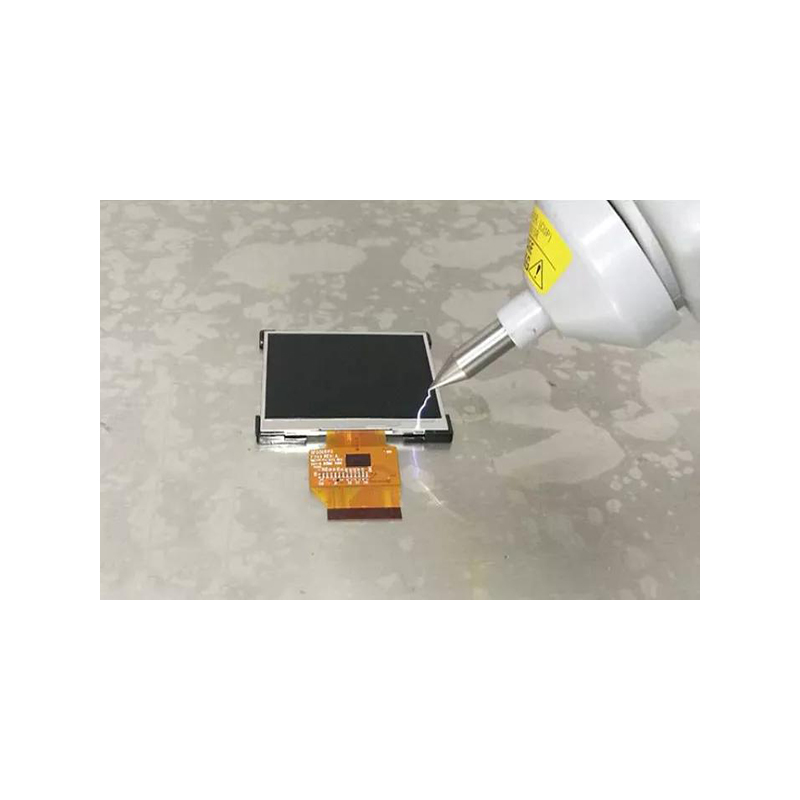
I. Analysis of ESD Protection Standards
1. Universal International Standard: IEC 61000-4-2
Scope: Electrostatic Discharge (ESD) immunity testing for general electronic equipment.
Common Levels:
Air Discharge: ±8kV / ±15kV
Contact Discharge: ±4kV / ±8kV
Note: Applicable to industrial, medical, consumer electronics, and other fields, serving as the foundational basis for ESD protection.
2. Automotive Electronics Standards: ISO 10605 / ECE R10
Scope: Automotive electronic components, especially in-vehicle displays.
Level Evolution:
Since the 2008 Edition: Air discharge levels extended to ±25kV, with contact discharge commonly at ±8kV.
Current Mainstream Levels:
Contact Discharge: ±8kV (basic), ±15kV (high requirement)
Air Discharge: ±15kV (common), ±25kV (harsh environments)
Note: German and American automotive manufacturers often implement even higher internal standards (e.g., ±25kV ~ ±30kV).
3. Medical Equipment Standards: IEC 60601-1:2020 + IEC 61000-4-2
Characteristics: Emphasizes “fail-safe mechanisms” to ensure uninterrupted clinical operation.
Level Requirements:
Contact Discharge: ≥ ±12kV
Air Discharge: ≥ ±25kV
4. Industrial Control Standards: IEC 61000-4-2 + ANSI/ESD S20.20
Characteristics: Emphasizes “zero failure” and long-term stability.
Level Requirements:
Contact Discharge: ≥ ±8kV (standard), ±12kV (core control panels)
Air Discharge: ≥ ±15kV
II. ESD Protection Design Methods
1. Circuit Design
TVS Diodes/ESD Suppressors: Placed at interfaces and on sensitive signal lines for rapid electrostatic discharge.
Integrated ESD Diodes: Feature response time <1ns to prevent driver chip breakdown.
Reset Mechanisms: Implemented at the software level for quick recovery.
2. Structural Design
Metal Shielding Cans: Effectively isolate against ESD interference.
Proper Grounding Paths: Provide low-impedance discharge channels to prevent electrostatic accumulation.
Sealing and Insulation Treatments: Prevent ESD from entering through gaps.
3. Material Selection
ITO Coating: Sheet resistance <100 Ω/□, improving conductivity uniformity.
Anti-Static Medical/Industrial/Automotive-Grade Materials: Suitable for various customer application scenarios.
4. Process and Manufacturing Protection
COG (Chip on Glass) Process: Involves bonding the IC directly onto the glass substrate, reducing ESD risks at interfaces.
TFT (Thin Film Transistor) Design: Incorporates electrostatic discharge paths to enhance overall ESD robustness.
ITO Trace Optimization: Further evens out electric field distribution, improving ESD withstand voltage.
III. Our ESD Protection Capabilities Statement (Based on Independent Product Testing)
| product type | air discharge capacity | contact discharge capacity | performance grade | remarks |
| TFT hold | Maximum voltage: 18kV | ±4kV ~ ±15kV | Class A / B | Verified by multiple automakers |
| COG hold | Up to 15kV | ±6kV ~ ±12kV | Class A / B | Suitable for medium-to-high-end vehicle applications |
| Standard LCD screen | Maximum voltage: 18kV | ±4kV ~ ±15kV | Class A/ B | Verified by multiple automakers and medical companies |
Note:
Class A: Functions perfectly normally during and after testing, with no performance degradation.
Class B: Exhibits momentary anomaly but recovers automatically, requiring no manual intervention.
Our products have been successfully applied in automotive projects for brands such as Leapmotor and Wuling, meeting both ISO 10605 and customer-specific standards.
IV. Future R&D Directions
1. Liquid Box Internal Circuit Optimization
Improving ITO trace layouts aims to further enhance resistance distribution uniformity and electrostatic discharge efficiency, targeting an air discharge capability above ±25kV.
2. Integrated ESD Protection Chips
Collaborating with IC manufacturers to explore the integration of ESD protection with driver chips, reducing peripheral components and improving system reliability.
3. High & Low Temperature Cycling Enhancement
Ensuring ESD rating degradation is ≤10% through powered tests at 65°C for 72 hours, meeting the full lifecycle reliability requirements of the automotive industry.
4. Material and Coating Innovation
Developing a new generation of anti-static coating materials that balance light transmittance, wear resistance, and ESD performance, expanding applications in medical, industrial, and automotive fields.
V. Conclusion
ESD protection is the core guarantee for the reliable operation of LCD screens in harsh environments such as industrial, medical, and automotive applications. Our company builds ESD protection architectures from the design source for TFT, COG, and LCD products, ensuring manufacturing consistency through strict process control. All products are validated by rigorous aging and ESD tests. Building on this foundation, we continuously invest in R&D, focusing on improving ESD immunity levels as a key objective, committed to pushing the boundaries of existing performance and delivering higher-level, more reliable display solutions to our customers.
If you have customized ESD protection requirements or technical inquiries, please feel free to contact us at any time.