Dalian Eastern Display Co., Ltd.
Dalian Eastern Display Co., Ltd.

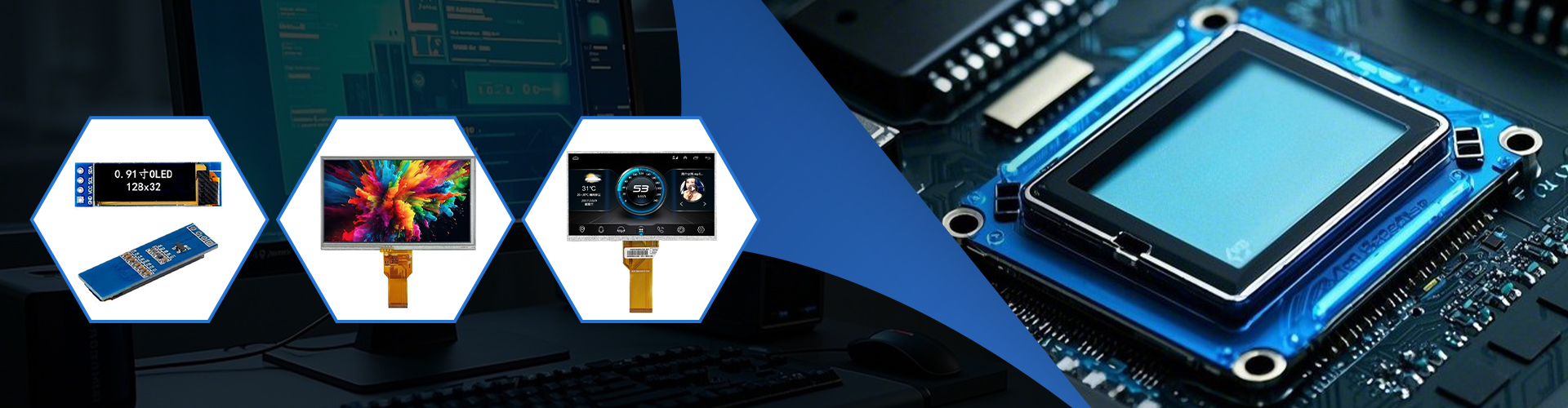
This comprehensive guide explores the advancements and applications of White OLED technology. We delve into its underlying principles, advantages over traditional displays, and its role in shaping the future of display technology. Learn about its unique characteristics, manufacturing processes, and diverse applications across various industries.
Unlike colored OLEDs which emit light in specific colors, a White OLED emits white light. This white light is then passed through color filters to create the full spectrum of colors seen on a screen. This approach offers several key advantages, including higher efficiency and improved color accuracy. The process involves using a stack of organic layers sandwiched between two electrodes. When an electric current is applied, these organic layers emit light, resulting in the bright, vibrant visuals we associate with OLED displays. The efficiency of this process is crucial; consider the power consumption of a large-screen White OLED television compared to traditional LCD screens. Understanding the interplay between these layers is fundamental to understanding the technology itself.
The fabrication of White OLED displays involves a complex process that requires precision and expertise. It begins with the deposition of organic materials onto a substrate, often glass. This is followed by the integration of color filters and other essential components. Different manufacturing techniques, such as inkjet printing and vacuum deposition, are used to achieve optimal results. The choice of materials is also critical, with ongoing research focused on improving efficiency, lifetime, and cost-effectiveness. Companies like Dalian Eastern Display Co., Ltd. (https://www.ed-lcd.com/) are at the forefront of developing cutting-edge display solutions including White OLED based technologies. The selection of appropriate materials dictates factors like the luminance and color saturation, influencing the overall quality of the display.
White OLED displays are renowned for their exceptional picture quality. The high contrast ratio, deep blacks, and wide color gamut result in images that are incredibly vibrant and lifelike. This is a significant improvement over traditional LCD displays, which often struggle with backlight bleed and limited color accuracy. The absence of a backlight in White OLED panels allows for perfect blacks by simply turning off individual pixels, leading to superior image depth and detail.
Because each pixel in a White OLED display can be individually controlled, they are highly energy efficient. This is particularly beneficial in applications where power consumption is a major concern, such as portable devices and large-screen televisions. Compared to LCD displays, White OLED displays typically consume less power to achieve the same brightness levels. A study by [Source: Cite reputable study here] shows a significant power saving advantage.
White OLED technology is increasingly prevalent in high-end televisions, offering viewers unparalleled picture quality and viewing experience. The superior contrast ratio and color accuracy make these televisions ideal for home theaters and immersive viewing experiences.
The energy efficiency and sleek design possibilities of White OLED displays make them well-suited for smartphones and other mobile devices. These displays offer vibrant colors and deep blacks even in bright sunlight.
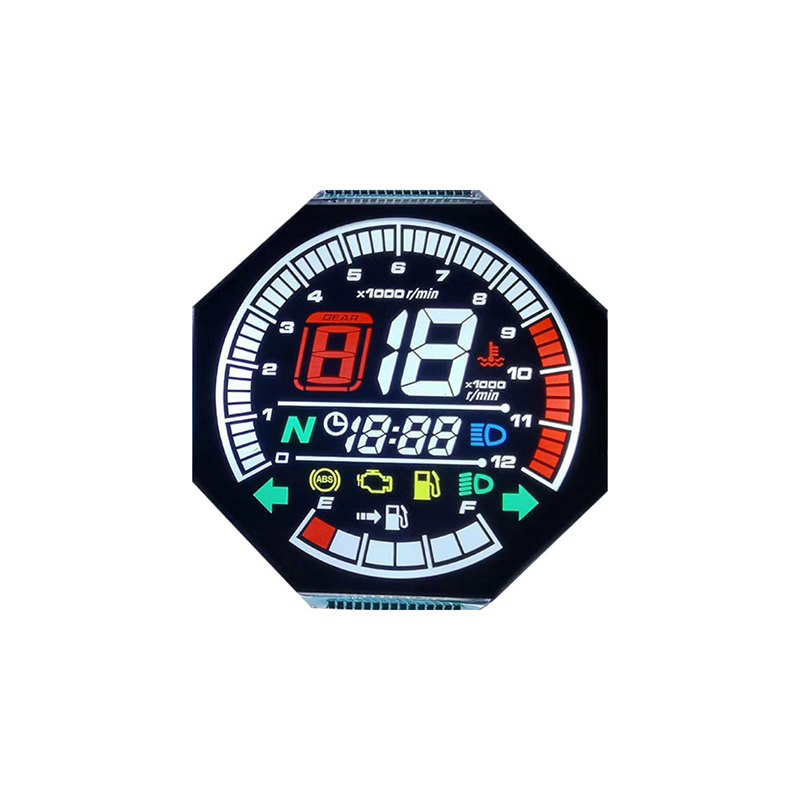
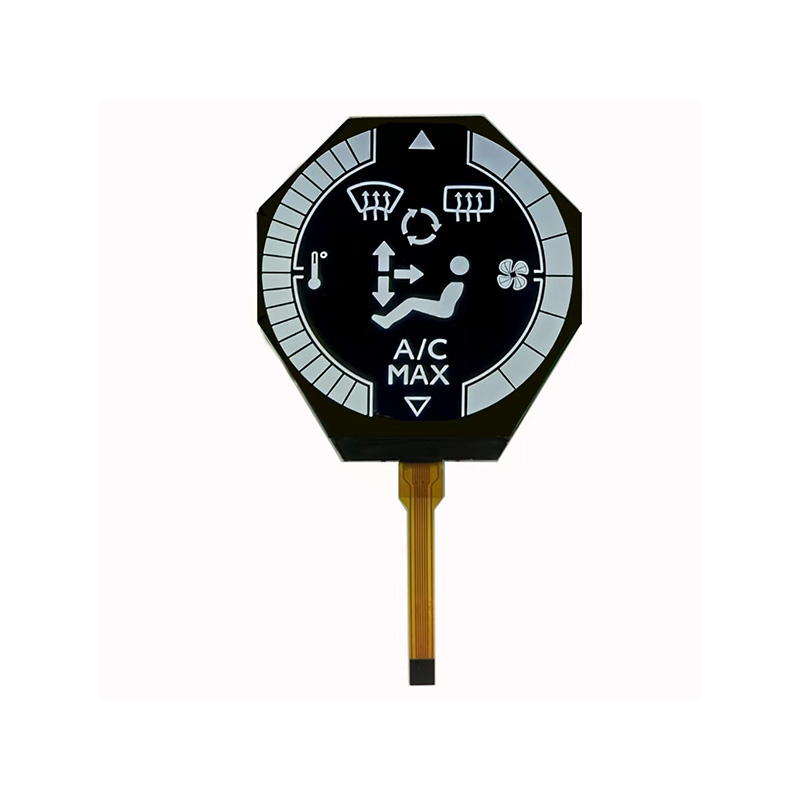
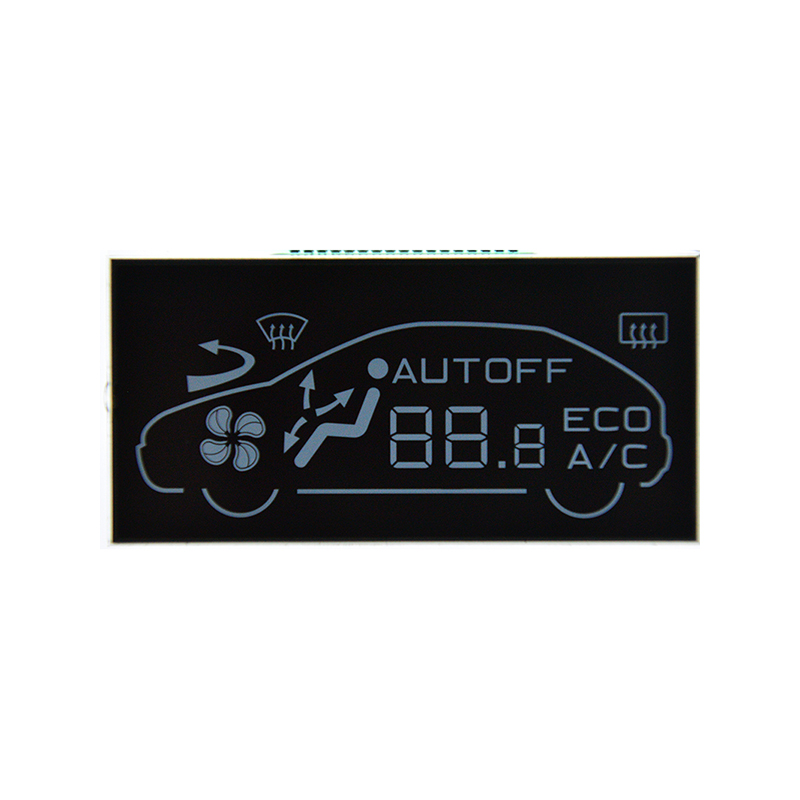
The robust nature and high visibility of White OLED displays make them an excellent choice for automotive applications, such as instrument panels and infotainment systems. The ability to offer high-contrast displays even in direct sunlight is a critical advantage.
Research and development in White OLED technology continues to push the boundaries of what is possible. Future advancements may focus on improving efficiency, extending lifespan, and reducing manufacturing costs, making this technology even more accessible and widespread. The exploration of new materials and innovative manufacturing techniques will continue to drive innovation in this rapidly evolving field. The development of flexible and transparent White OLED displays is also an area of significant interest, opening up exciting new application possibilities.
| Feature | White OLED | LCD |
|---|---|---|
| Contrast Ratio | Infinite: True Blacks | 1000::1 |
| Power Consumption | Lower | Higher |
| Response Time | Faster | Slower |
| Viewing Angle | Wider | Narrower |
[Note: Replace [Source: Cite reputable study here] with a properly cited source for the power consumption comparison. Add other relevant sources throughout the article as needed to support claims and statistics.]